We visited University of Rhode Island, University of Vermont, Cornell and SUNY Environmental Science and Forestry. A whirlwind tour with a brief pause in Ithaca where River participated in a Young Birder event at the Cornell Lab of Ornithology.
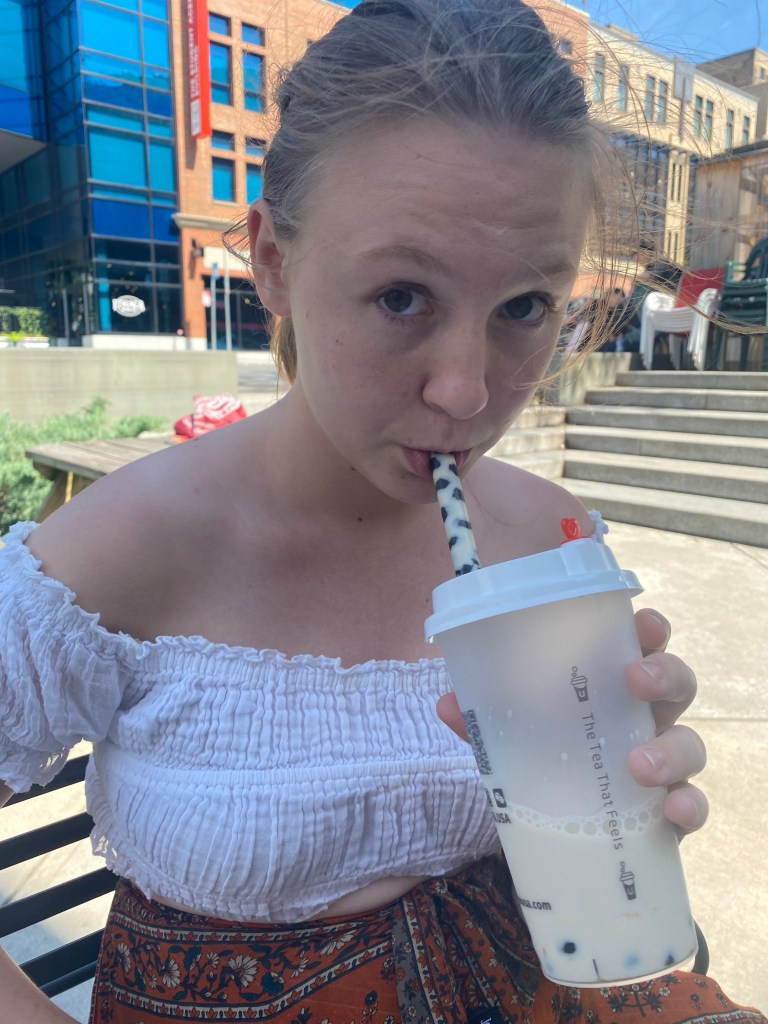
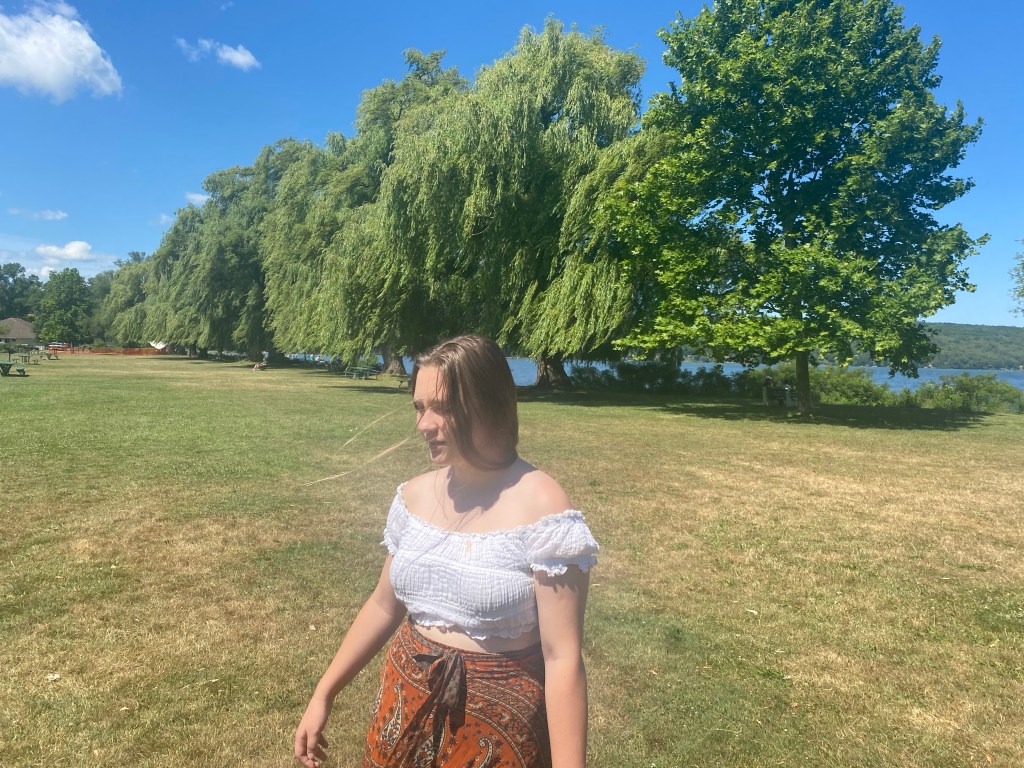
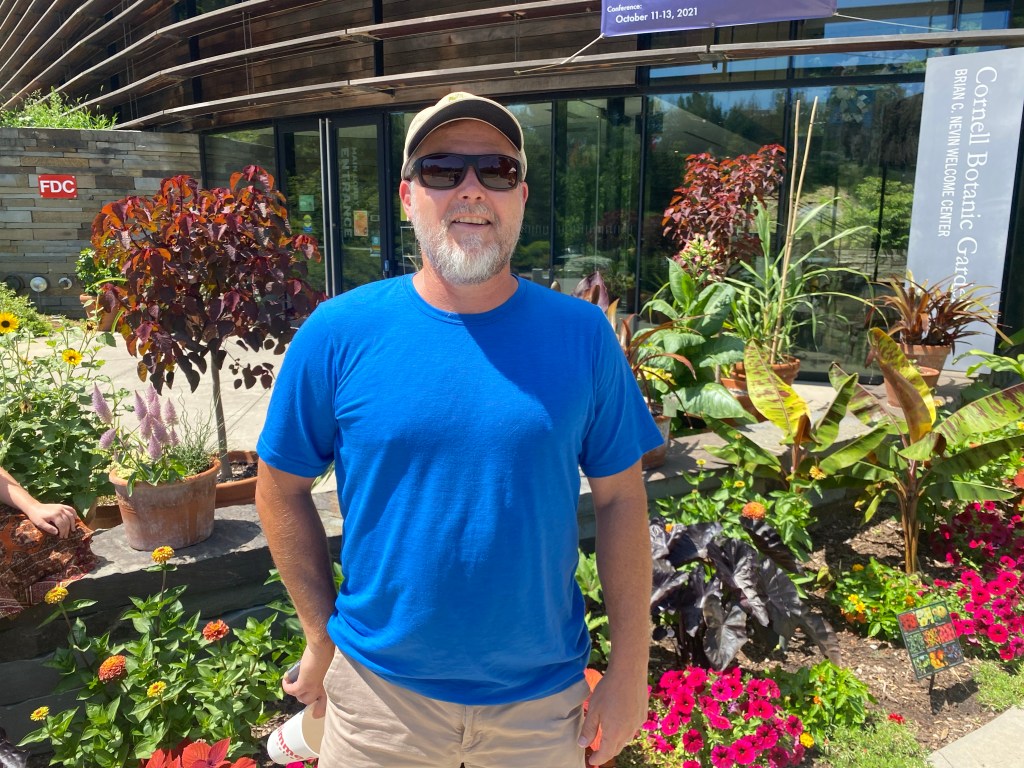
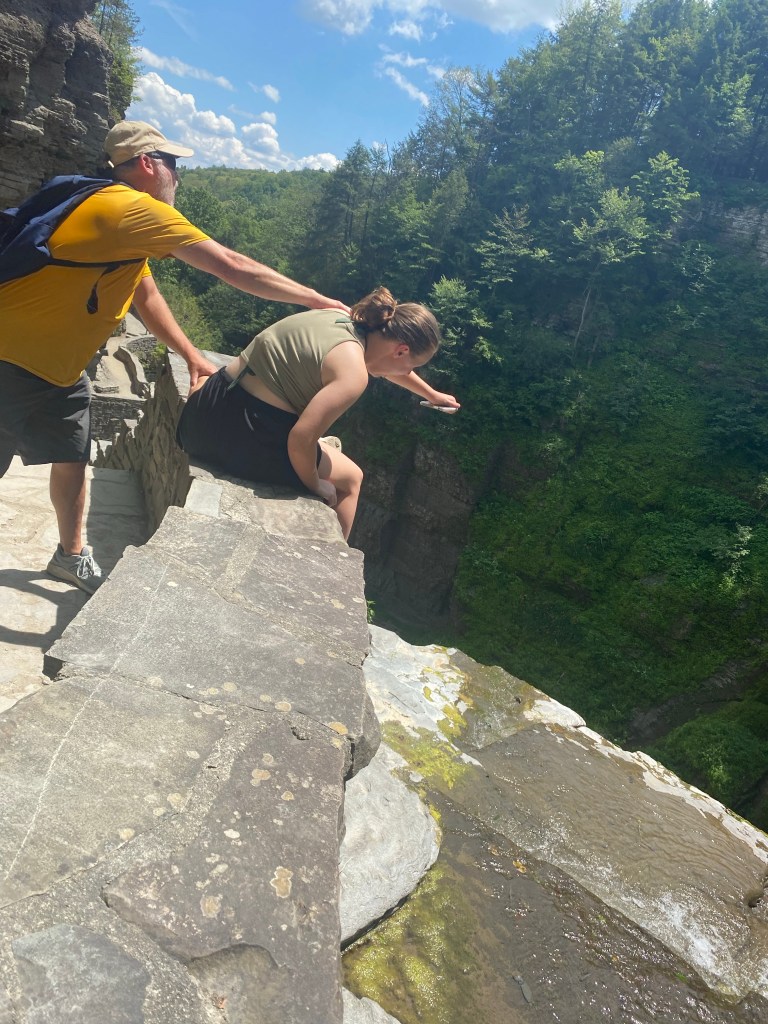
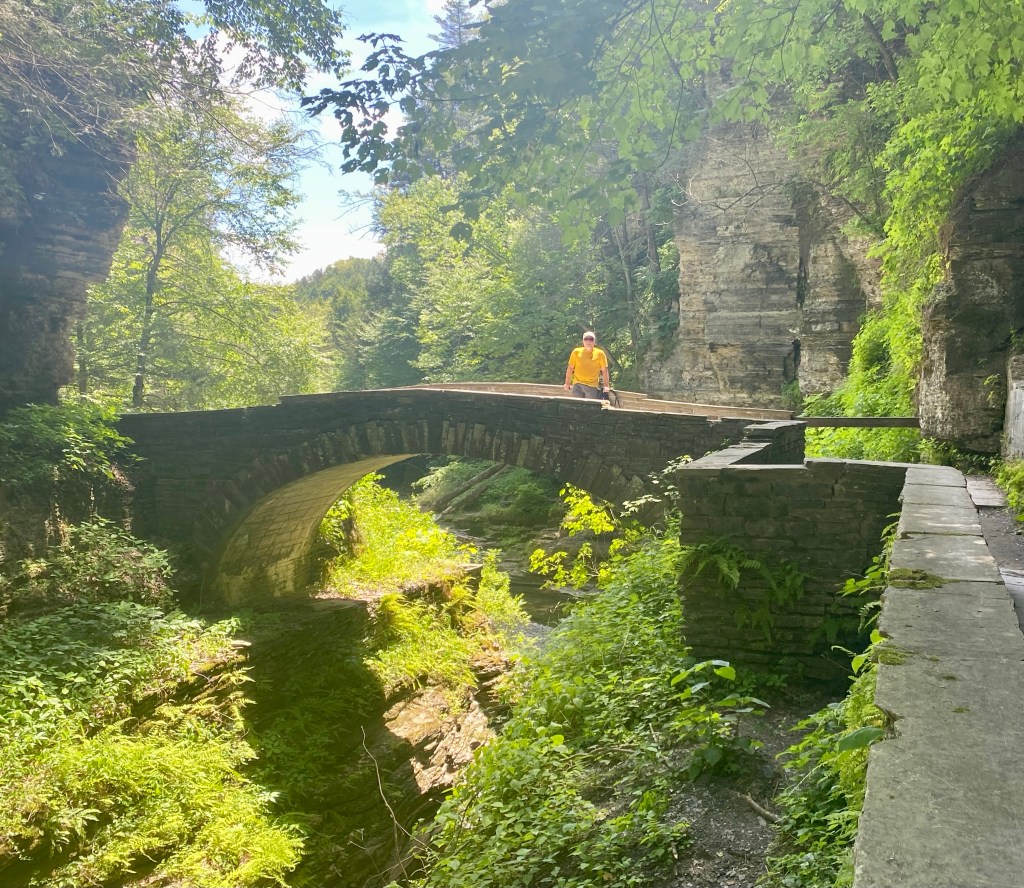
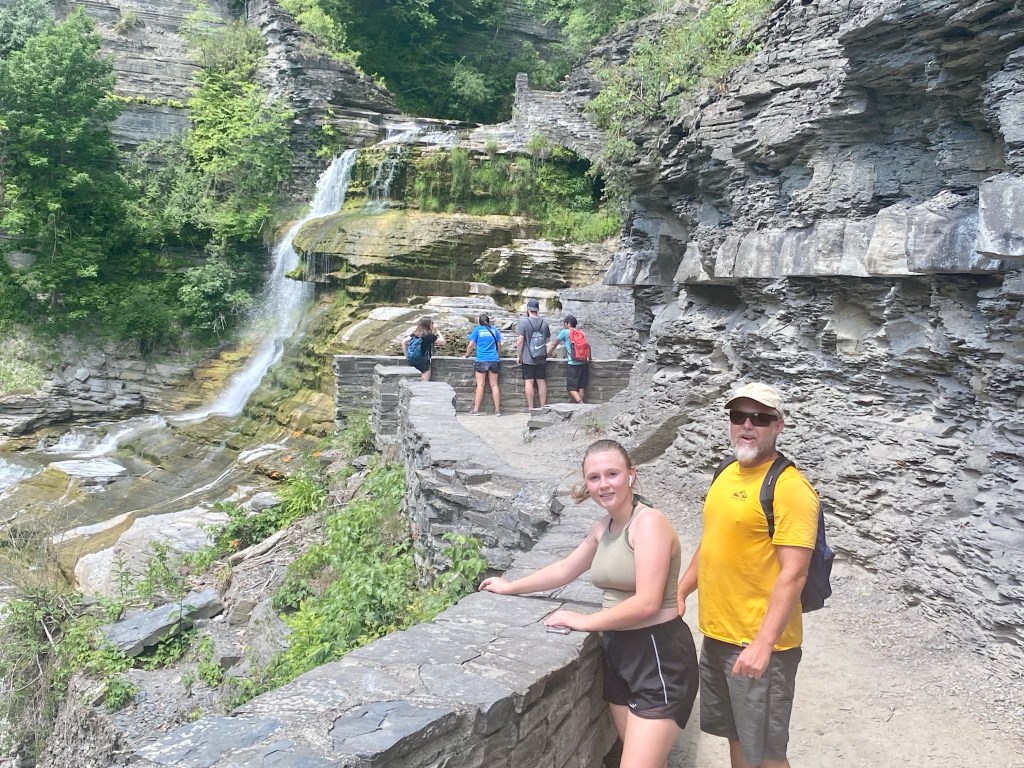
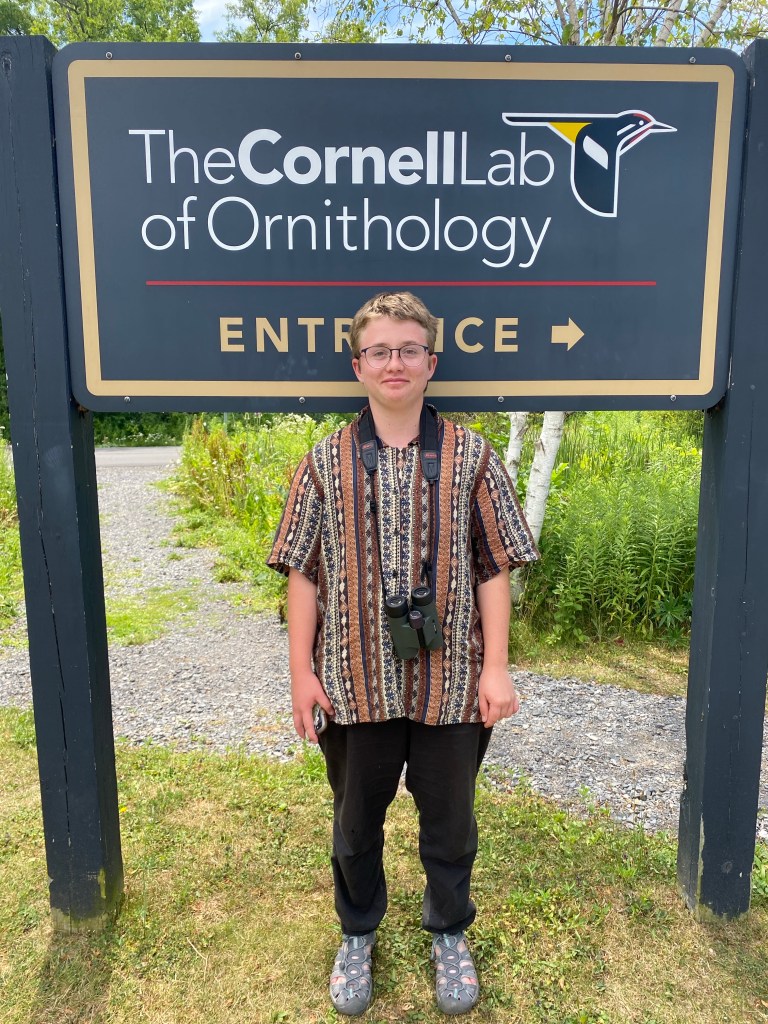
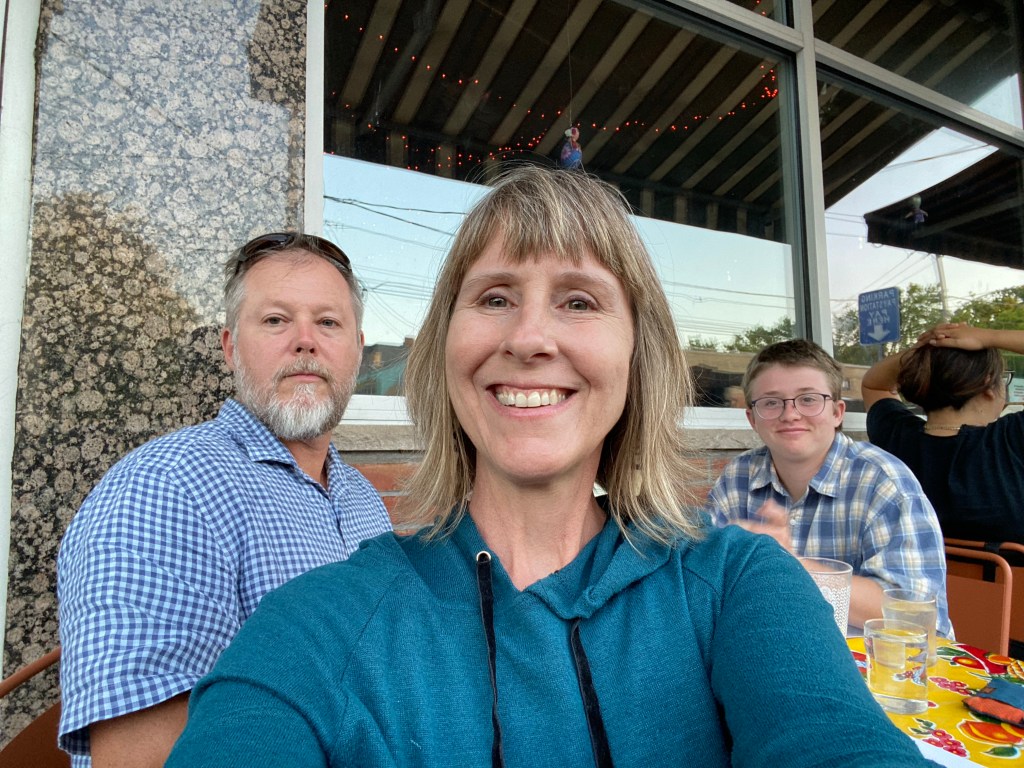
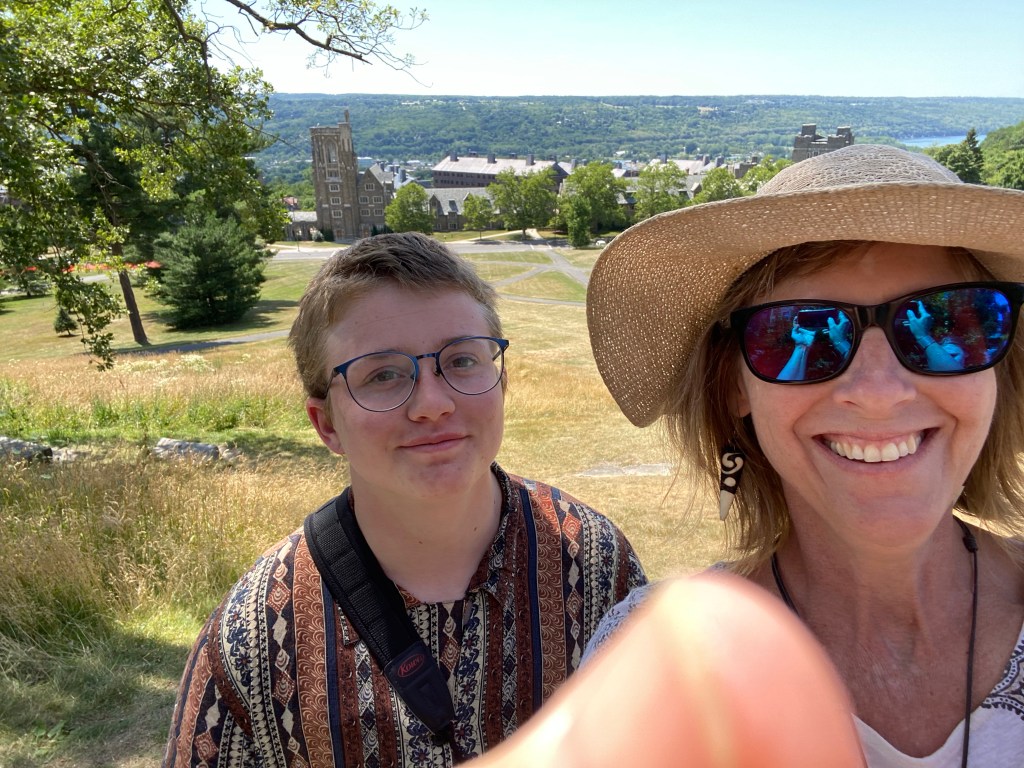
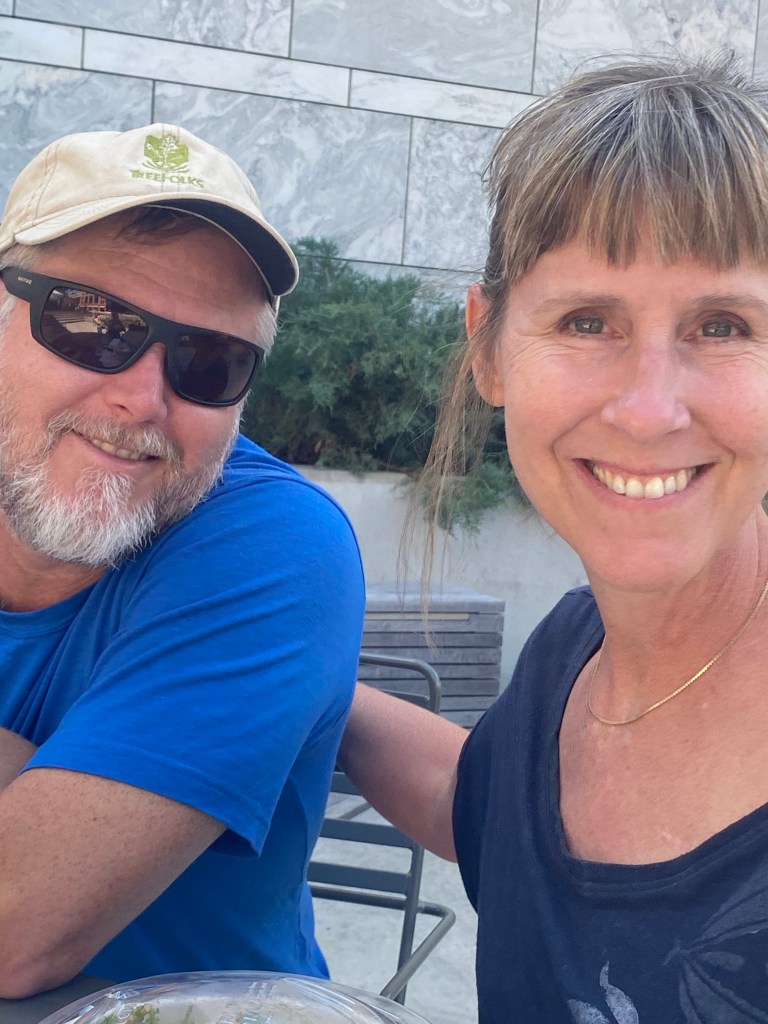
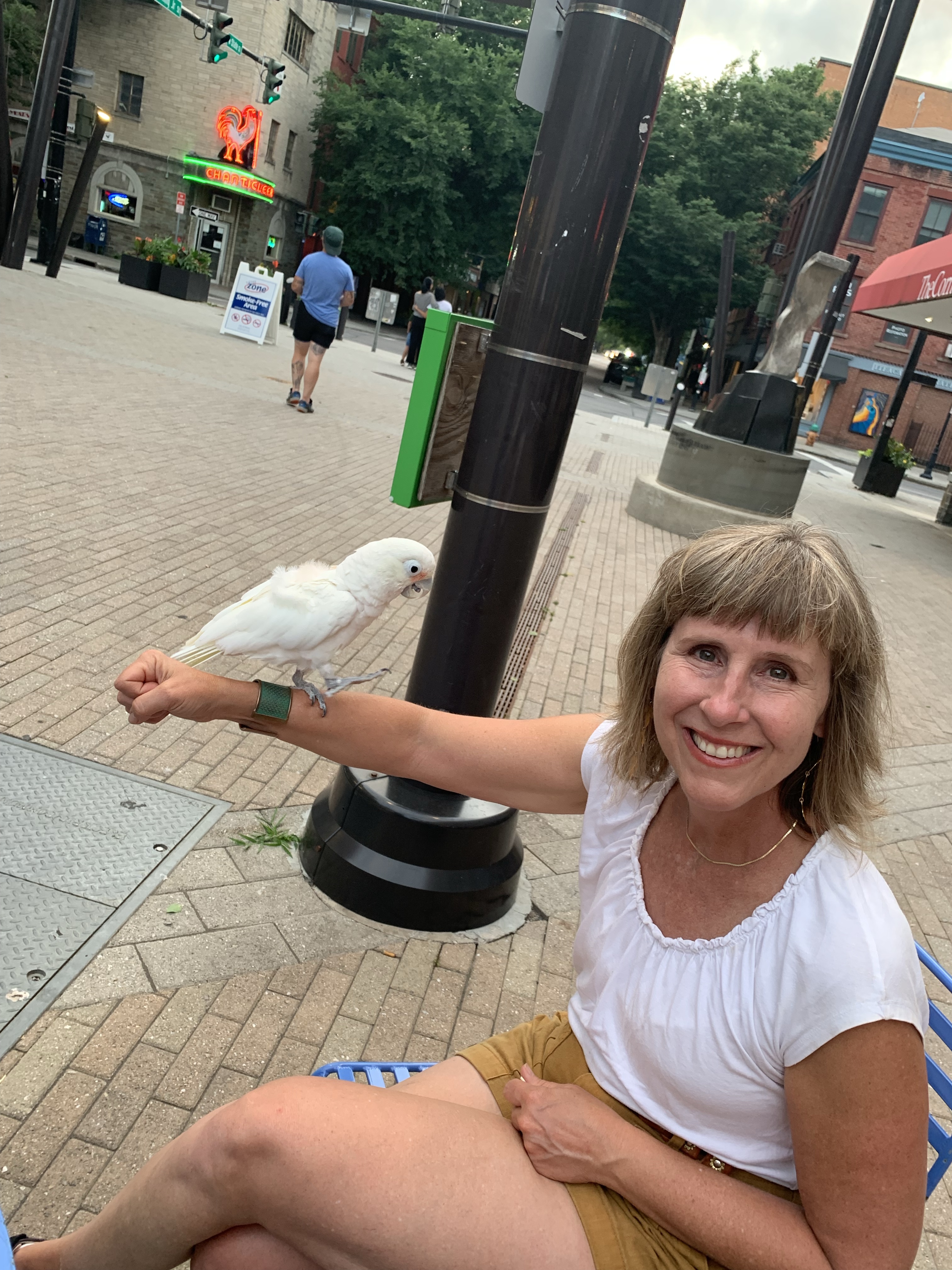
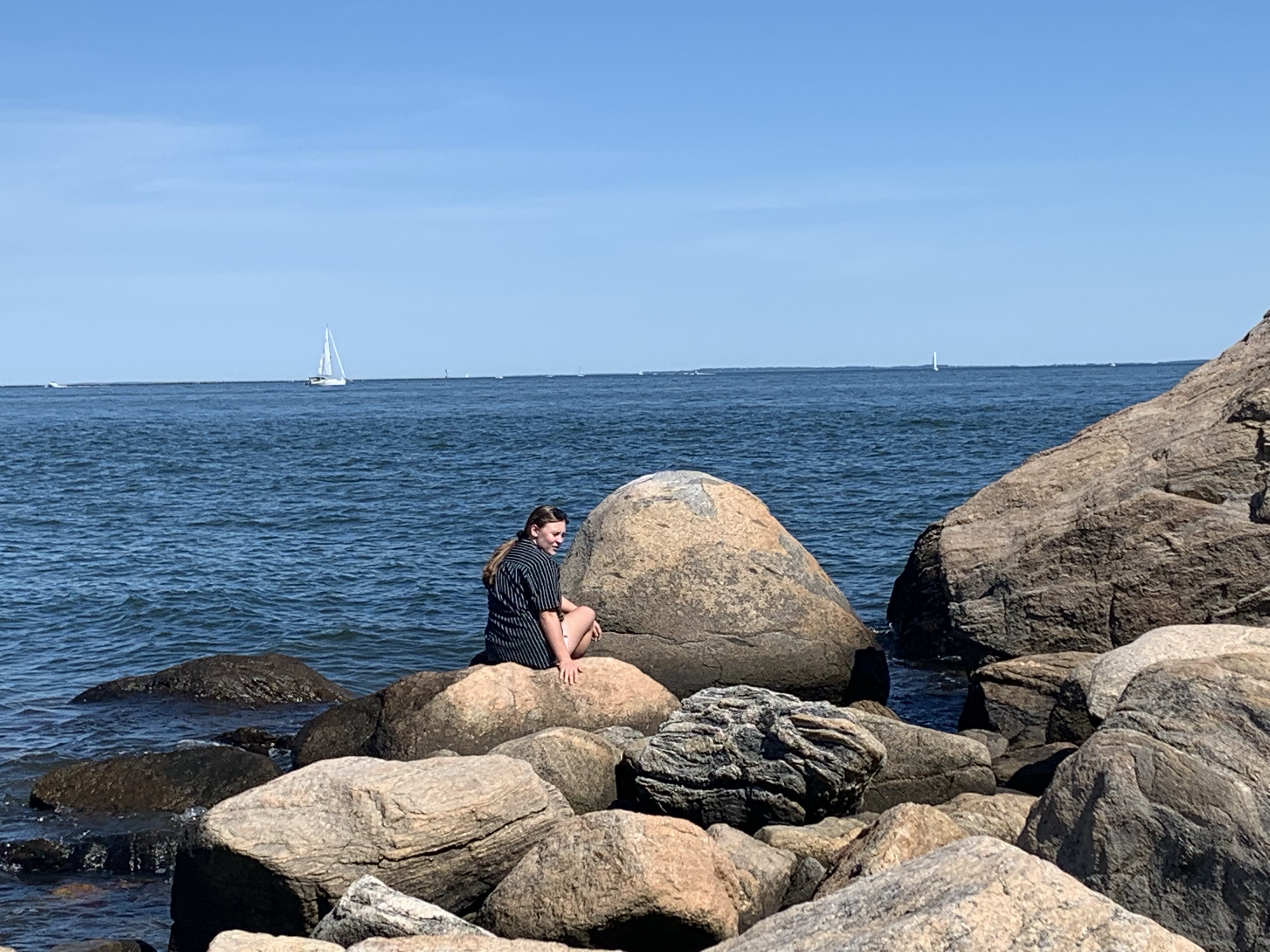
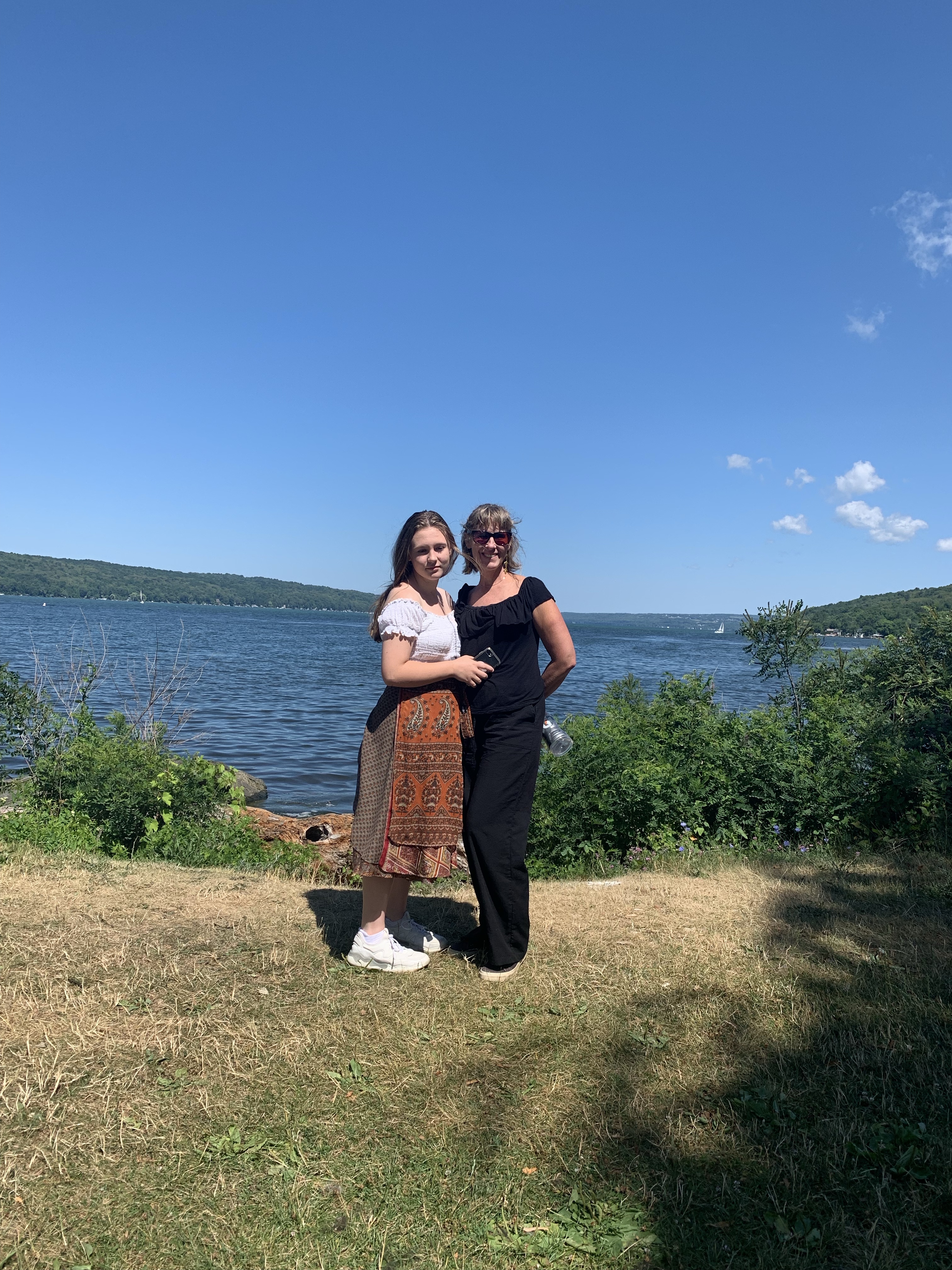
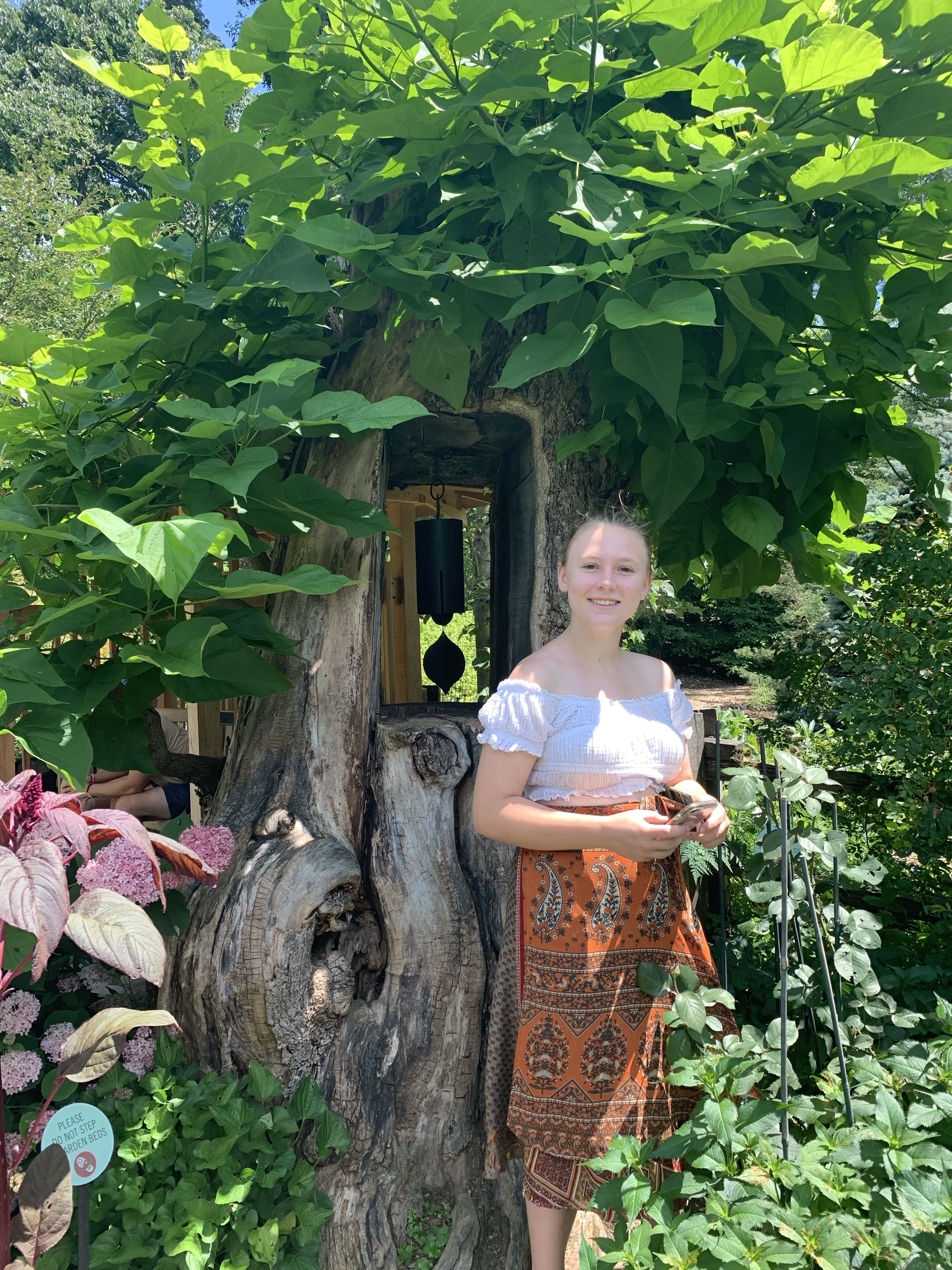
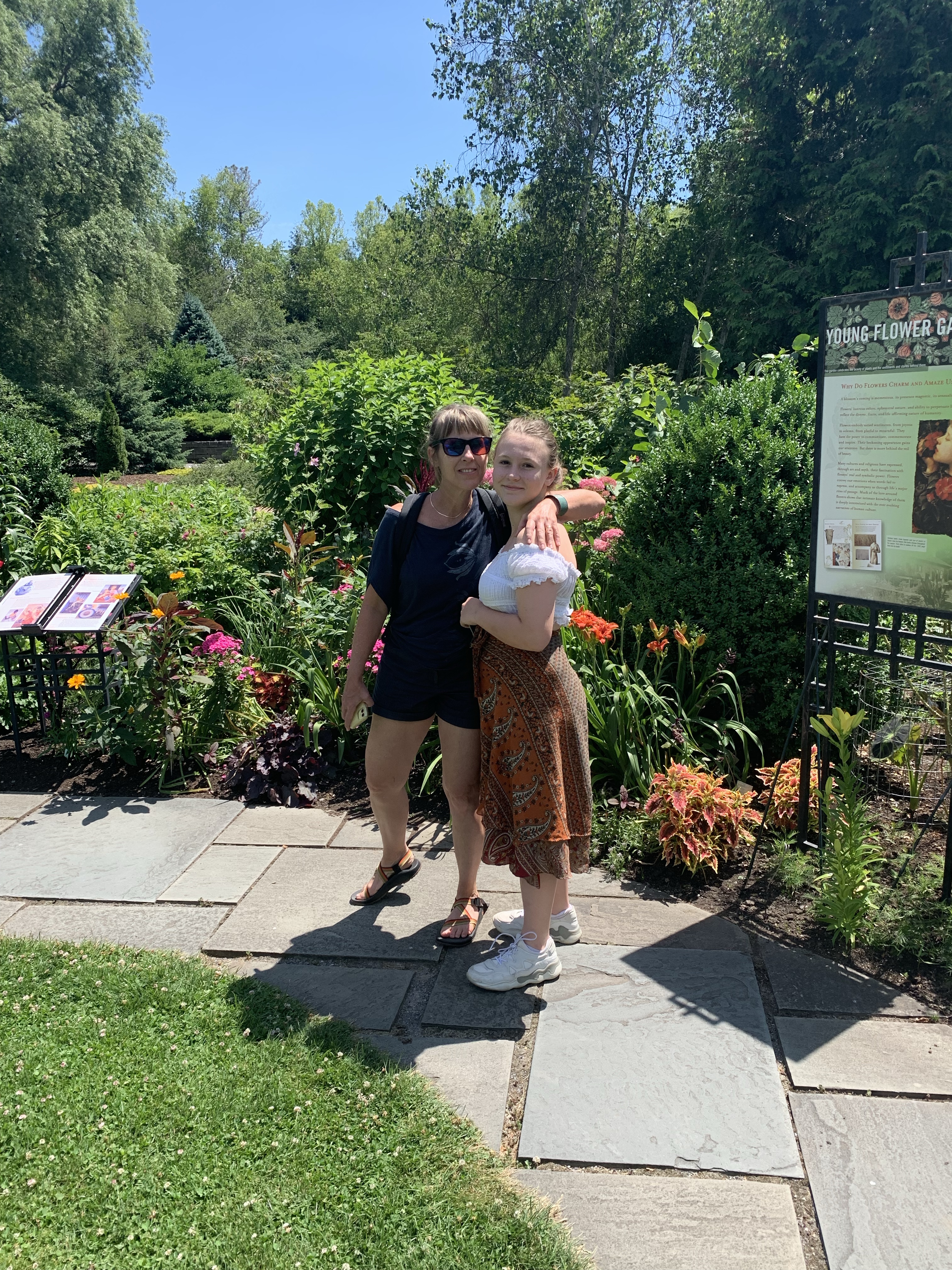
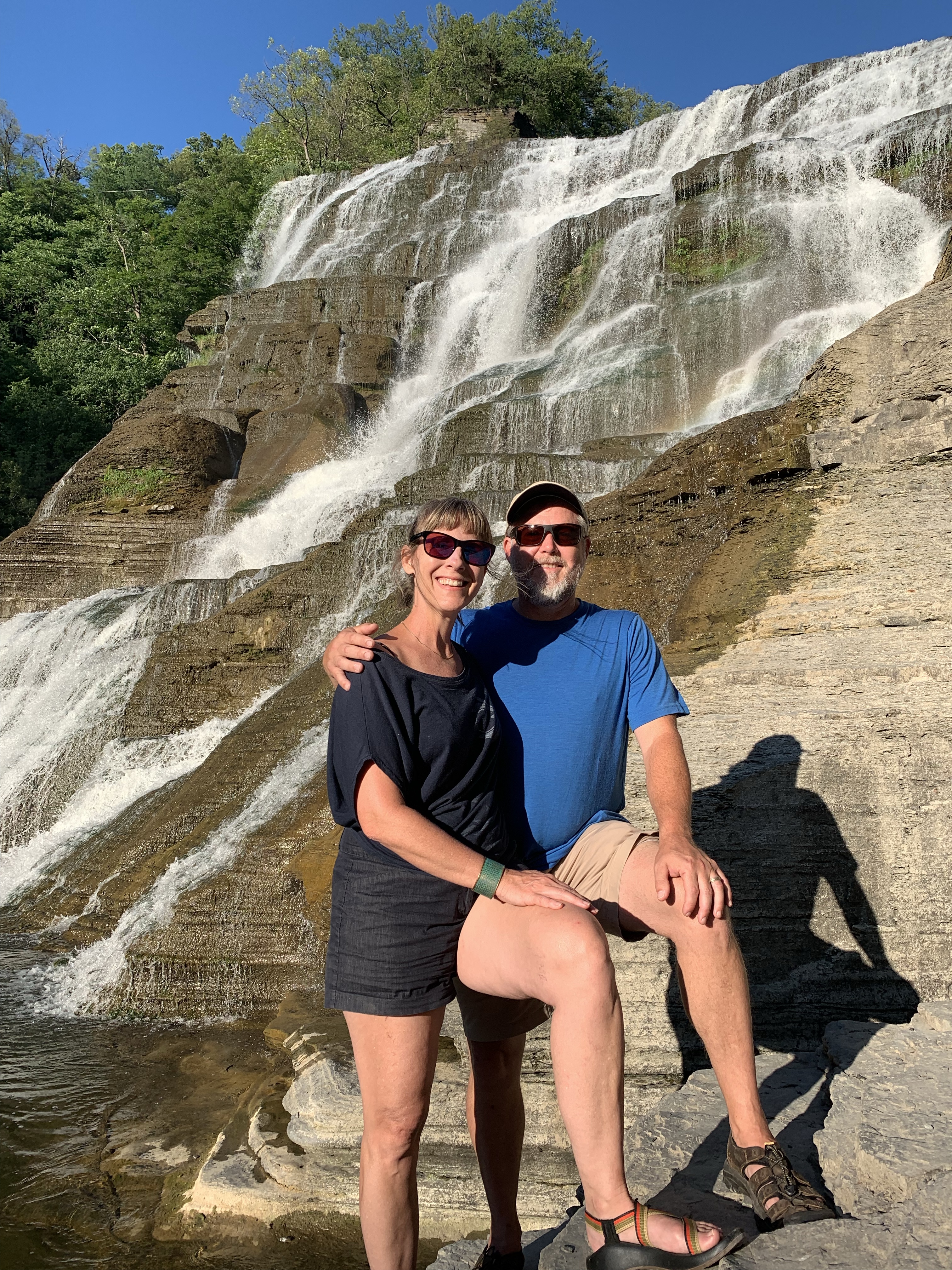
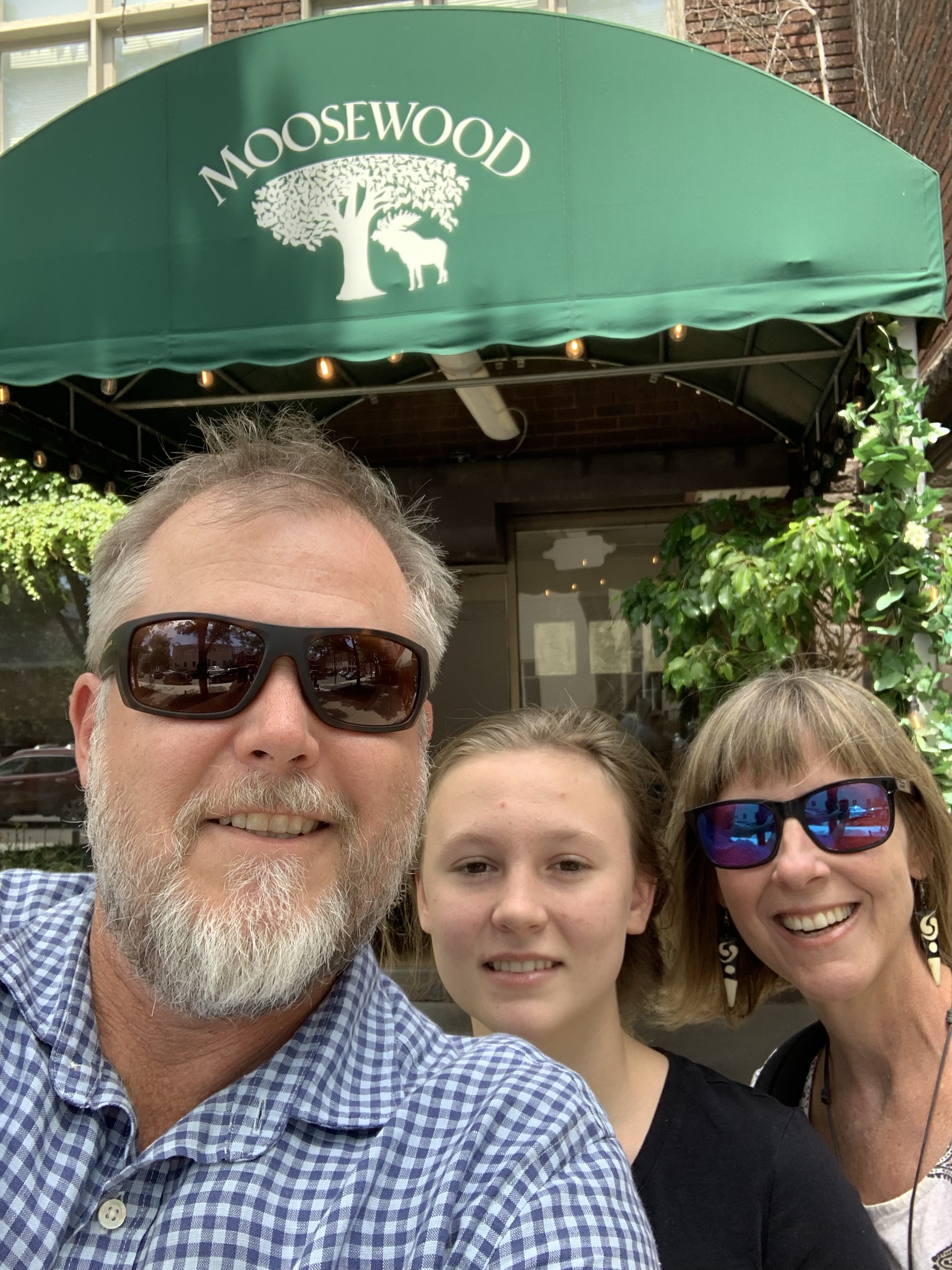
We visited University of Rhode Island, University of Vermont, Cornell and SUNY Environmental Science and Forestry. A whirlwind tour with a brief pause in Ithaca where River participated in a Young Birder event at the Cornell Lab of Ornithology.

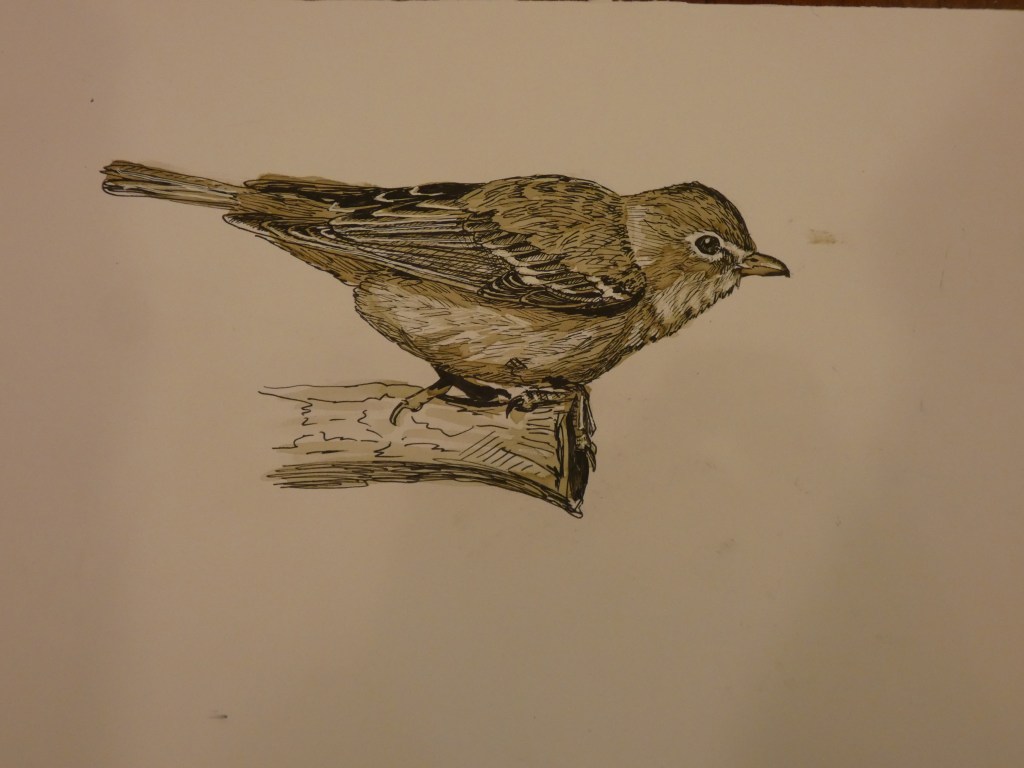


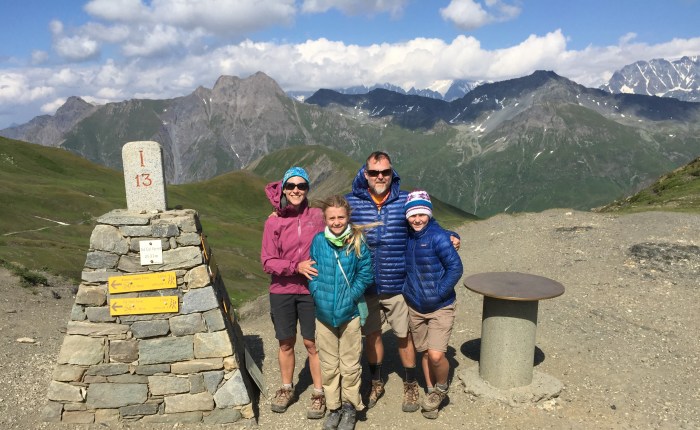
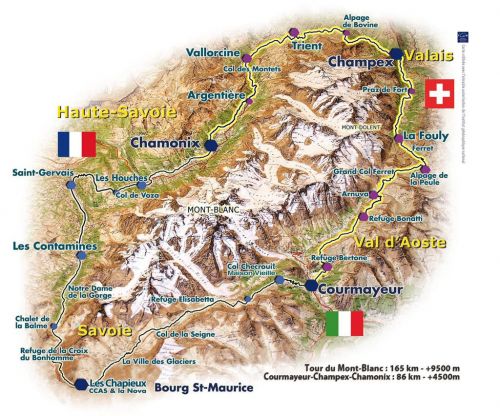
We hiked the Tour du Mont Blanc, 110 miles, through France, Italy and Switzerland to circumnavigate the Mont Blanc Massif in 12 days in July, 2018.
July 11: from Gite Michel Fagot to Miage
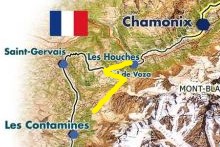 Climbing up and over the Col de Voza, across snow fields, up and over the Col de Tricot, and then steeply down to Miage. 8 hours, roughly 10 miles, over 1100 m elevation gain followed by a 600 m decent. We met Becker, an avid long distance hiker from Israel, and super nice guy.
Click images to see larger version


July 12: from Miage to Gite le Pontet, Les Contamines
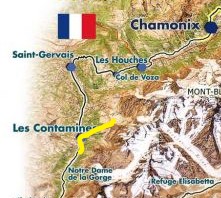
A short hike down to Contamines. We made fun little summit of Mont Truc and had a great lunch in Contamines.


July 13: from Gite le Pontet, les Contamines to Auberge de la Nova, Chapieux
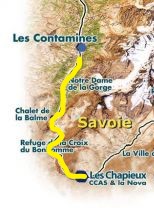
An over 9 hour day crossing snowfields to crest two passes: Col du Bonhomme and Col de la Croix du Bonhomme. Roughly 1500 m of ascent followed by almost 1000 m of descent.


July 14: from Auberge de la Nova, Chapieux to Elisabetta
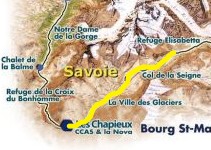 A 7 hour 1000 m climb to Col de la Seigne, the border between France and Italy. A rainstorm came up just as we reached the pass. It was incredibly windy, cold and rainy with poor visibility. Ruby was freezing and we struggled to get her into her rain gear. Meanwhile, Jane’s pack cover flew off her pack and over her face. We were disoriented trying to find the right path down off the Col. Luckily runners in an ultra-marathon came by just then and helped us find the right direction. They also gave us some perspective on our panic as they calmly ran by unflustered by the storm. We took no pictures at the pass. We met Sean, Sarah, and Katie, triplets from upstate New York at Elisabetta.


July 15: from Elisabetta to Maison Vielle
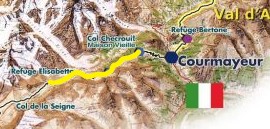 Ruby’s birthday and France wins the World Cup final.


July 16: from Maison Vielle to Bertone stopping in Courmayeur
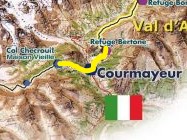 We hiked down to Courmayeur and spent a couple hours in the town running errands and eating lunch. Then we made the steep climb to Bertone. We meet a French family hiking the TMB with children as young as eight at Bertone.


July 17: from Bertone to Alpage de la Peule
 Our longest day, 10 and a half hours, over the highest pass Grand Col Ferret took us from Italy to Switzerland.


July 18: from Alpage de la Peule to Gite Bon Abri, Champex
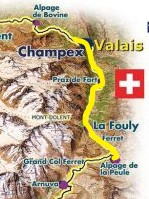
A 9 hour day often at lower elevation through villages.


July 19: from Gite Bon Abri, Champex to Auberge du Mont Blanc, Trient
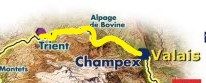 A seven hour hike over Alp Bovine. In Trient we spent more time with Sean, Katie and Sarah and met Lindel and Yvette.


July 20: from Auberge du Mont Blanc, Trient to La Boerne, Tre le Champ
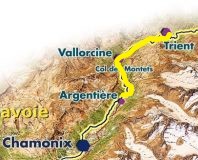
A crowded trail up and over Col de Balme.


July 21: from La Boerne, Tre le Champ to Le Flegere
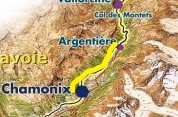
A drizzly day’s hike with ladders over the steepest sections.


July 22: from Le Flegere to Les Houches
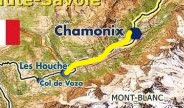
Our last day with a climb to Brevant followed by a long descent into Les Houches


The day after concluding our hike, we took the cable car to the summit of Mont Blanc


Monday, August 15th:
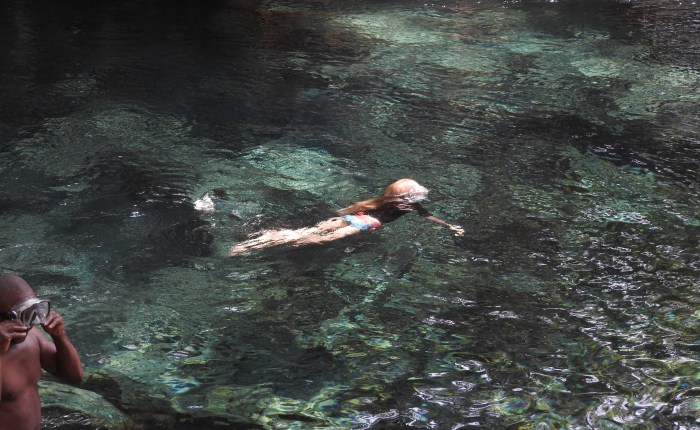
After breakfast two guys from Wayo, both named Mousa, picked us up in a minivan for the 1.5 hour drive to Maji Moto. We took the rough road down the mountain from Kiboko Lodge to the main road. After heading east on the road we turned off on to a dirt road through dusty terrain. The area had a diverse mix of peoples including Maasai and Chagga. Amidst the grim landscape appeared a patch of palms and fig trees surrounding a shady pool of clear water.
Click photos to view bigger image.


Fig tree roots lined the pools edge and a rope swing hung from a fig branch. The water had a strong current in places and was almost warm. For the first half hour we had the pool to ourselves with Saka the attendant showing off on the rope swing. Near the edges where you could rest standing on rocks small fish nibbled.


By late morning groups of tourists began showing up including a party of American missionaries with a bunch of little blond kids. The rope swing was in constant use and the pool filled up, but never got overcrowded. We swam up a narrow passage against the current and found another clear pool, sunny and palm lined, the water a beautiful light blue. Jane and Ruby befriended the American kids who were all siblings and cousins led by the oldest girl of 10, Elsa.


We spent all day at Maji Moto recovering some from missing Carrie after her departure and our homesickness.
Saturday, August 13th:
After breakfast we had a last long drive from our remote campsite to the airstrip. As we had become accustom to, the plains were packed with wildebeest and zebra and occasionally herds of trotting big eland. Once we reached the airstrip, we had to wait around for an hour as small planes came and went. Finally our plane arrived. We said goodbye to Joseph and flew to Arusha.
click on photos to view larger image


We had a great view of the volcano Oldonyo Lengai and the ridge we had hiked down.


A driver met us at the Arusha airport and took us to the “Maasai Market” where we shopped for souvenirs. Then we continued east of Arusha and up into the hills to the Kiboko Lodge. The lodge is alongside a marsh where ibis nest in the acacia trees.
The young men who run the lodge gave us a tour including getting a stalk of sugarcane and helping out in the garden a bit. We spent the afternoon enjoying the first internet access in days While the girls played with their new slingshot and pangas (knives).


In the evening huge flocks of black ibises and white sacred ibises swooped in to roost in the yellow barked acacia around the swamp. Flocks of small quellias and weavers soared around the marsh grasses.
Sunday, August 14th:
We had a very quiet morning at Kiboko Lodge. Carrie got organized to travel home and the rest of us read, wrote, and did artwork.
After lunch, along with a Canadian couple on Carrie’s same flight, we all went with Nout the lodge founder to visit the Watoto Foundation. The foundation is on a large property and includes dormitories, a school, vocational training workshops, a gardens, cow and pig sheds and more for rehabilitating hardcore street boys from Arusha. Kiboko lodge is staffed by graduates of the Watoto Foundation and proceeds help fund the program.
We had a tour and then Carrie and the Canadians departed for the airport. We had tea with the manager and then returned to Kiboko lodge.

Saturday, August 6th:
After breakfast we left with our new guide Joseph for the long drive to the Serengeti. We drove through the barren landscape of Lake Natron passing a few Maasai bomas, herds of their cows and goats, and wild zebras. Then we passed through unpopulated areas of badlands and desert. We continued on to grassy hill country with acacia trees. We passed a final Maasai market town. Mills were going grinding the maize for ugali. The Maasai women were splendid in their white beaded jewelry.
Click on images to see larger version


We reached a little used entrance to the Serengeti and watched the incredibly colorful Mwanza lizards while Joseph did the paperwork. We then had two hours of game driving to our camp. We saw several types of antelope we’d never seen before including the steenbok and klipspringer.


We ate dinner with a mother and daughter pair, Judy and Ruth. Ruth had just summitted Kilimanjaro.
Sunday, August 7th:
After a leisurely morning we had a day long game drive with Joseph. We saw at least eight lions, a cheetah, two leopards and a 40+ herd of elephants! In the morning we saw a dead gazelle being eaten by a jackal with a vulture and three steepe eagles awaiting their turn. Not long after we came across another dead gazelle with a handful of vultures fighting over it. Two marabou storks arrived dwarfing the vultures and stealing food from their mouths. Then a lion we’d spotted previously came to the scene running. The birds scattered and the lion took the gazelle for herself.


Later we joined 30 other land cruisers in getting a good look at a cheetah that was lounging by the road. After that we spotted a sleeping leopard in a tree and then watched another leopard unsuccessfully stalk gazelles in the tall grass. We saw elephants here and there including a large herd of mamas and young. In the evening we staked out a sleeping pair of mating lions hoping to see some action, but the couple slept on and we gave up.


Back at camp we dined with a Dutch family of four.
Monday, August 8th:
We packed up and drove rapidly across the Serengeti to the north. We stopped to help another car with a flat tire. We reached the northern Mara and turned off the main road. We saw larger and larger herds of wildebeest. We stopped for a coffee break watching the animals in the valley and listening to music. For lunch we found a marshy green spot and enjoyed Joseph’s music. In the afternoon we headed toward the Maru river seeing ever bigger herds of wildebeest.


When we reached the Maru river there were wildebeest on the other side and crocodiles on the bank, but the wildebeest showed no sign of crossing. We drove farther along the river to a spot with lots of hippo pulled out on an island in the river. There was a leopard in the shadows of the roots of an overturned tree near the hippos. An enormous crocodile pulled out on a sandbank. Two grey headed kingfishers put on a beautiful show of their colorful blue wings.


Eventually we moved on to another spot on the river. Joseph went into top speed when he spotted the telltale dust cloud of a large herd of wildebeest on the move. We found a herd of wildebeest running to the water’s edge and then bounding across the waters and piling up on an island in the middle of the river. More and more wildebeest crossed to the island and we expected eventually they would overflow and cross the other half of the river. Instead, the animals began running back again so that some were coming while others were going.


We’d watched the spectacle for a while and were about to go when Joseph spotted a wildebeest a bit downstream from the crossing. Upon a closer look the ridge of a large crocodile surfaced next to the struggling wildebeest. The croc had it firmly by the hind leg. For more than twenty minutes the wildebeest struggled as the croc patiently held it in the river.


The wildebeest almost got away, freeing it’s mangled hind leg, but the croc got it by the front leg and pulled it to deeper water. Finally a second smaller crocodile arrived and biting the wildebeest’s head pulled it under water. The threesome disappeared below the water’s surface.


Satisfied with our amazing sighting we headed for our new camp 40 minutes drive from the Maru river. From our tent we had a view across rolling hills with wildebeest, zebra and topi grazing close by and on all the hillsides.


The Dutch family: Annamika, Ranier, Youp and Flores joined us again for dinner.
Tuesday, August 9th:
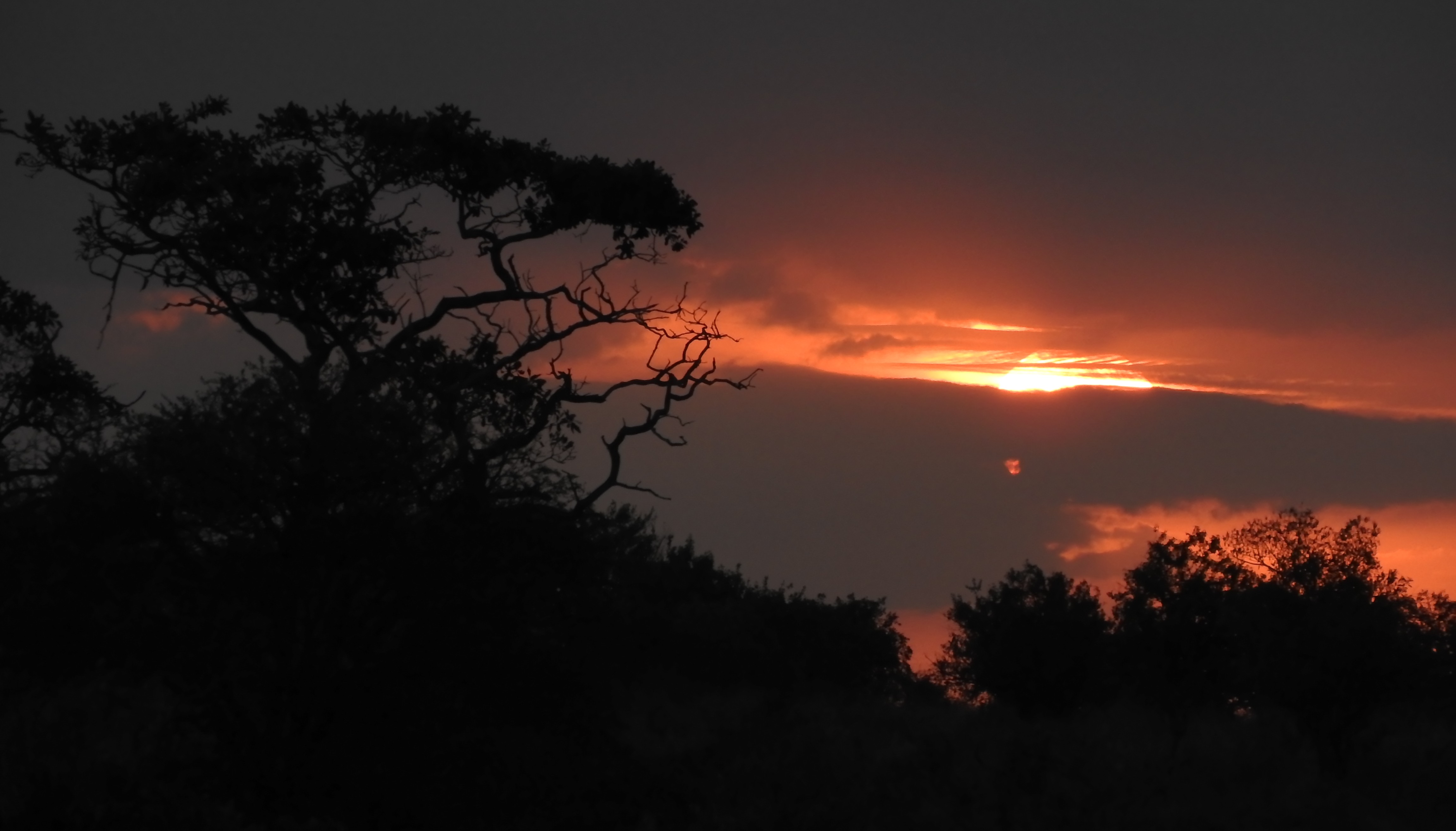
In the night we heard so many hyena and in the early morning we could hear a herd of wildebeest, zebra and topi arrive close by. We joined Joseph for a game drive along the river lined with huge flocks of vultures, griffin and marabou storks, Corpses of wildebeest floated down the river and carcases dotted the plains. The stench of death filled the air. The vultures and hyenas were sated and didn’t even bother to eat some of the fallen wildebeest that may have died from a spine or neck injury dealt by their own kind in the melee of crossing the river.


We crossed the river and drove through enormous herds of wildebeest that went on and on. The scale of the herd was massive.


We were back at camp by mid afternoon enjoying some down time.
Wednesday, August 10th:
We had a game drive in the morning along the river where cars were lined up waiting for a wildebeest crossing. Then we drove around an area of rocky outcroppings with rock figs growing out of the rocks.


From there we continued to a spot with five female lions sleeping along a stand of acacia trees. The youngest woke, got up and took a shit right in front of our car.


We joined another Wayo car with New Yorkers Travis and Billy. Then we left the road attempting a shortcut to the Wayo walking camp. The walking camp is located in a wilderness rhino zone. There are no roads and no game driving allowed. We lurched around across meadows and over brush covered hills. We crossed several washes and creeks. Then we came upon a creek where there was no safe way to cross and we had to turn back to the road. We took the road around a line of hills and then left it again driving across the bush, lurching down then up steep washes. Herds of zebra, eland and wildebeest fled from our path. We finally reached camp around 2 PM.
We had a late lunch with the Wayo owner Jean, Sarah and another guest Sydney Stewart a Conde Nast travel writer. We had some down time around camp in the afternoon. The girls played in the nearby portion of the riverbed.
In the early evening we had a short walk with Travis and Billy, their guide Zeph and Joseph who carried a rifle. We bushwhacked along the riverbed examining hyena tracks. Then we crossed some meadows and brushy hillsides. We found some relatively fresh rhino poop!


We enjoyed Tanzanian food night with our hosts and the other guests. We continued with wine drinking and travel stories after the girls had gone to bed.


Thursday, August 11th:
We had a six hour long bushwhacking hike with Travis, Billy, Joseph, and George the ranger. The terrain was gentle hills with acacia forest and meadows and occasionally alongside or across a stream with larger trees and palms. On our hike we saw wildebeest, zebra, reedbuck, eland, topi and a lion skull with one fang. The last portion of the hike was very hot and our pace was slow.


When we reached our new camp at the bottom of a hill we relaxed in the shade with our hosts Jean and Sarah. Once we had recovered from our morning hike we took the short walk to the nearby spring. We walked around the hill, through a valley that was full of wildebeest and zebra. We even saw some elephants.


The spring was pretty murky but the girls and Jean were game. Jean waded in and dramatically submerged himself. Soon Ruby and Jane had stripped down to their tshirts and panties and were in. A splash fight and then a mud fight ensued. Eventually everyone was out of the spring, but unfortunately Jean lost his hat in the waters.


The rest of the afternoon we spent writing or doing artwork or just gazing out watching ostrich and warthogs pass. When the fire was started it got away and started burning the grass and spreading with the wind. Soon all hands were on deck to put the fire out, beating the flames with acacia branches.
We enjoyed dinner and wine around the fire until going to bed in small backpacking tents.


Friday, August 12th:
We ate a light breakfast around the fire. Carrie had an infected toe and decided to drive back to camp rather than hike. We said goodbye to to Jean and Sarah and to Travis and Billy who were headed off to Ngorongoro and then on to Zanzibar.
We hiked a couple hours back to the riverside camp with Joseph and George. We climbed the hills and followed the ridge with great views. Again we saw herds of zebra, wildebeest, eland, topi and hartebeest. We saw a lone hyena lope across the plain and we scared a hare from it’s den. We were back in our original camp by mid morning.


We spent the late morning and after lunch on our tent front porches watching the steady stream of wildlife coming and going from the river bed. There were herds of zebra and wildebeest interspersed with antelope. We organized our stuff, read and wrote and did artwork.
We joined a German couple for an evening walk with Joseph and George. We headed up river and then uphill. We were surrounded by a huge herd of zebra. The sky was dramatic and threatened rain but produced a rainbow instead. As we descended the herd, now including wildebeest stampeded away and around us.


Dinner was set up in a new location at camp and slow in coming. While we waited I again encountered a vicious ant attack. Soon all of us were running around slapping ourselves trying to get the ants out of our pants. The ants were everywhere on the table. Our cries brought the staff running and the whole table was moved away. The German family’s tents had also been infected by ants and they had to set up new tents and move.
Wednesday, August 3rd:
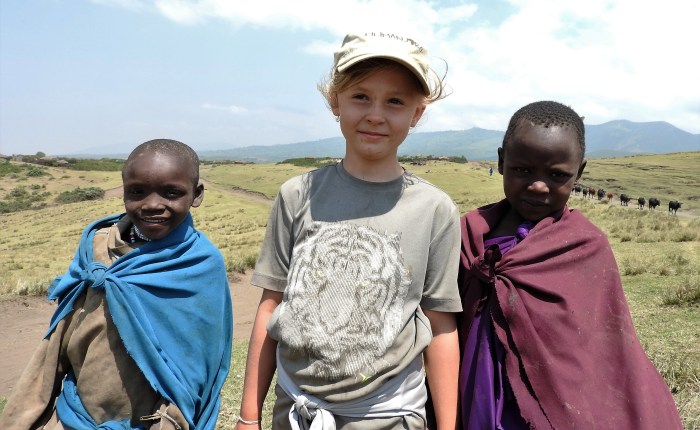
After a slow breakfast we drove with Godlisten back along the crater rim past the road we had taken up to the other side of the crater and beyond. We saw an elephant and nice views back down into the crater. Beyond Ngorongoro we drove through a picturesque area of Maasai bomas with round buildings with thatched roofs surrounded by grassy pasture. Then we entered a vast plain of short grass with zebra and antelope with the mountain of god looming in the dusty air. In the distance shepherds drove a large flock of goats kicking up a dust cloud. Next we passed through a bushy area then into trees. The road climbed to the rim of Empakai crater and we were able to look down at the grey-green lake with it’s white salt beach far below. We arrived at our campsite on the rim and met our Maasai guide Doudi and the Summit Africa camp staff Zack, Frederick, Kennis, and Matai.
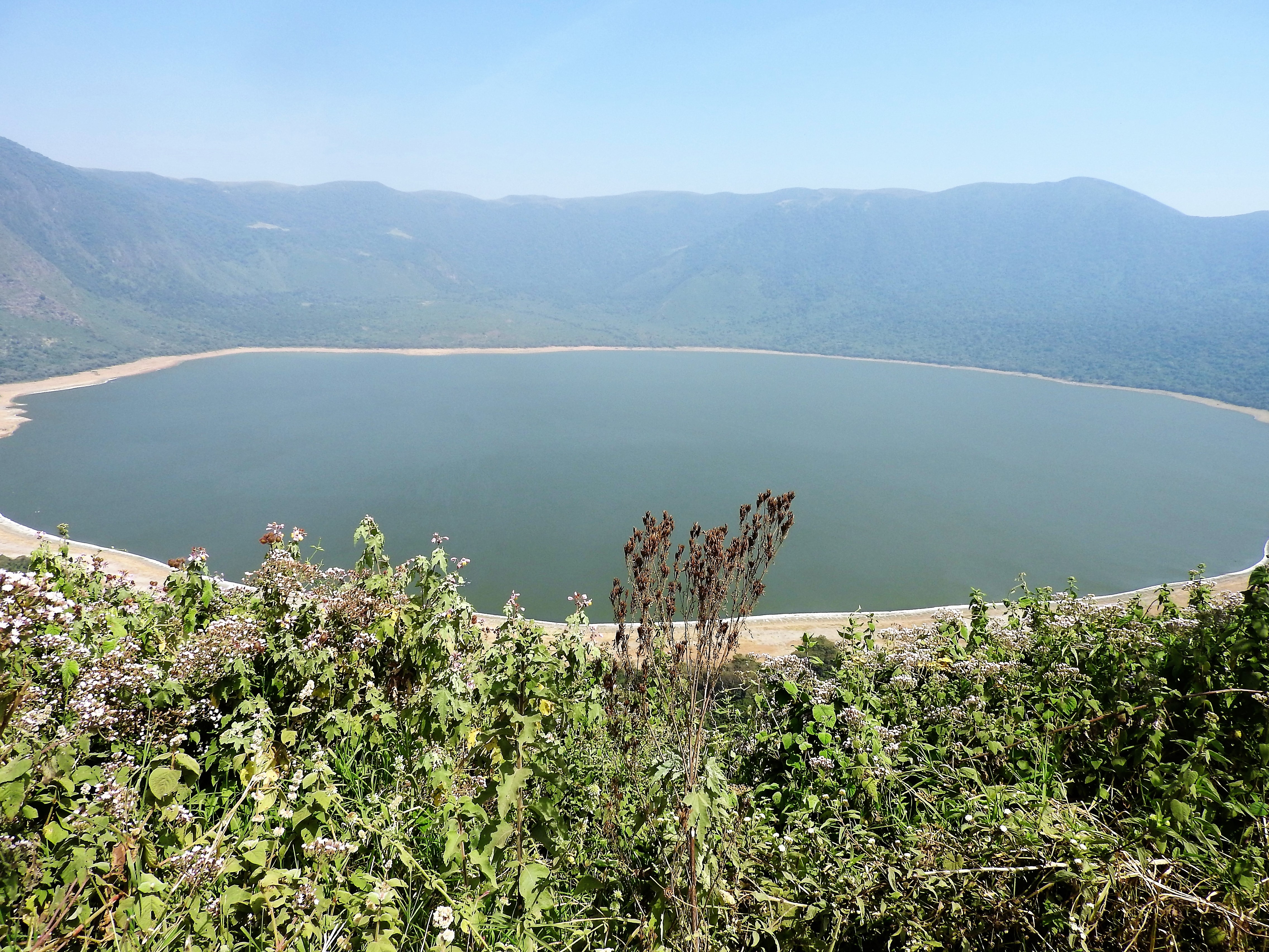
Godlisten took the majority of our stuff to meet up again in three days. We tried the goat head soup our hosts had made with the leftovers from a goat bbq they had made the previous day before beginning our hike. As we walked to the trailhead we were joined by friendly Maasai women who had come to our camp to sell beaded jewelry. Then we hiked steeply down to the crater lake with Doudi and Matai. Sunbirds chirped in the flowers at the top of the trail. The trail grew shady as we descended into a forest with large fig trees draped in vines. We emerged at the bottom and the lake shore to find one group of tourists ahead of us and another behind us.
Click on images to see larger version.


We could hear the sound of all the bells on the Maasai cattle that were grazing on the shore and the steep crater slopes. The salty lake was green from an algae growing. A few pink flamingos were along the shore and more were in the water swimming like swans. The white salt shore was covered in black hoof marks where Maasai cattle prints revealed the black volcanic soil below the salt. Maasai boys camp with their cattle in the crater for three months during the dry season. We ate our picnic lunch on the lake shore and then made our way slowly up the steep path back to camp.


We spent the afternoon hanging around camp, updating our journals, whittling, and building fires. More goat was roasted on the fire for dinner. When the goat was ready our camp population swelled as a handful of Maasai guys showed up. Zack and Kennis cut the tasty meat right off the spit and in no time the two legs and spine were eaten.


We sat around the campfire a bit watching Maasai music videos on Doudi’s phone. After dinner Ruby started feeling unwell with nasty burps and diarrhea.
Thursday, August 4th:
Zack made a potent ginger tea for Ruby in the morning. She decided she could continue with the hike despite not feeling her best.
In the early hours clouds were settled in the crater with their shadows reflected on the lake’s surface. After breakfast we began our hike with Doudi and Starder our Ranger following the small road along the top of Empakai crater. For most of the morning hike the brush along the road prevented views into the crater. Wildflowers laced the bushes attracting sunbirds.


After a couple hours the road began to drop down from the crater and we saw more and more Maasai bomas on the hillsides. The bomas are tidy with circular fences and round buildings with peaked thatched roofs, all enclosed in a circular brush fence. As we approached the town of Naiyobe there were more and more bomas, but the town itself had rectangular buildings with metal roofs. The grassy path was so rutted that we had to hop across a web of dirt crevices.


As we entered the town we were trailed by children. In the center Maasai women with armfuls of beaded jewelry surrounded us. Some of the men and women we recognized as visitors to our crater rim campsite. Doudi led us to the little duka (shop) where we purchased some shukas.
We decided we did want to purchase some bracelets. About 20 women arranged themselves seated in a circle with their wares laid out in front. We went around and looked at all the items while the women called to us. Then we bought a handful of bracelets from different sellers. At the end, an ancient woman trembling and stooped presented her bracelet, so we bought that as well. When we were done shopping Doudi helped dismiss the crowd and we ate our packed lunches on a hillside in town overlooking bomas and the primary school.


As we continued we left the conservation area and our ranger was replaced by Alex, a Maasai guide from Naiyobe. Alex was eager to talk about Maasai culture and on the fly he arranged for us to have a peek inside a boma we were passing. The surrounding brush fence has an entrance and we were invited in. We followed a path through weedy plants to two adjacent circular fences one for cows and the other goats. The corrals were empty awaiting the return of the grazing animals at sunset.
A young Maasai women invited us to take a peek inside her round hut. We needed flashlights as it was so dark. The short door required stooping and opened onto a small entrance room. To the left was an area to store firewood or young or ill animals. Ahead, in the center of the hut was a hearth consisting of a few stones and some ears of corn hung on the wall. There was no chimney. Two doors opened off the kitchen to the woman and men’s bedrooms. The woman and children sleep together on the single bed filling the small room from wall to wall. The men’s bedroom was a tiny bit bigger and included a few belongings. If the man has other wives they would have huts of their own within the boma.


As we were leaving three teenage boys wearing black shukas came up the dusty valley and entered the boma. Their faces were painted with striking white geometric designs and they wore elaborate headdresses of birds and feathers. The boys had been circumcised recently and wear the black shuka and face paint for a few months to celebrate the milestone that initiates them as warriors. After the boys are circumcised with their cohorts every 8-12 years they hunt birds and then make headdresses from the birds to show off their prowess. One of the boys had a headdress with a long wire reaching from his forehead with a plume of ostrich feathers at the end, like a unicorn with a feather duster for a horn. The back side of the headdress had 10 or more robin chats lined up in a row.
We continued our dusty descent on footpaths. Eventually we dropped into a forest of yellow barked acacia trees. Two persistent Maasai children followed us hoping to sell some jewelry: Luka and Mary. We arrived at our camp which was still being set up. The donkeys who carried the gear were grazing here and there. We had some new guys that came with the donkeys including a friendly one named Uldutinga. All afternoon Maasai came by looking to sell beaded jewelry or just checking us out.


Ruby began trying to start a fire the Hadzabe way with just a stick and dried grass. Joe joined the effort. Finally Uldutinga intervened rapidly fashioning a new fire stick and producing an ember just as well as the Hadzabe. We spent the evening mingling with the Maasai around the fire.
Friday, August 5th:
After breakfast we said goodbye to our Summit Africa camp team and headed out of the acacia forest. We traveled a dusty path across grassy mountains along a steep ravine with Oldonyo Lengui, a dramatic volcano, looming over. The air was so full of dust we could barely make out Empakai crater behind us. Occasionally we encountered Maasai men with their donkeys heading from Lake Natron to the market at Naiyobe. The younger men, the warrior generation, wore their hair in elaborate braids and wore beaded white earrings in their stretched earlobes.


They way became very steep as we slid down the mountains in the volcanic ash dust. All of us slipped and fell. The wind and our feet blew up dust clouds. Finally we made it to the bottom and took a short break in a dry creek carved in the old ash and lava. From there it was another hour across a grassy plain cut with dry washes to reunite with Godlisten and the car. We said goodbye to Alex and Uldutinga and drove through the dusty barren landscape past occasional bomas to the Lake Natron camp.


The black shade cloth tents of the camp were on a plain of short grass and black lava rock. The wind whistled constantly. A marsh and creek ran alongside the camp to lake Natron. Right away we went for a swim in the small “pool” which was a shallow dammed up portion of the creek with a shade tent alongside. The water was swift, warmish, clear and full of small fish that nibbled on our feet.


We got ourselves cleaned up a bit and spent the late afternoon lounging in the mess tent reading and writing. The camp camels came close by and we got to pet the mama of the two week old baby camel.
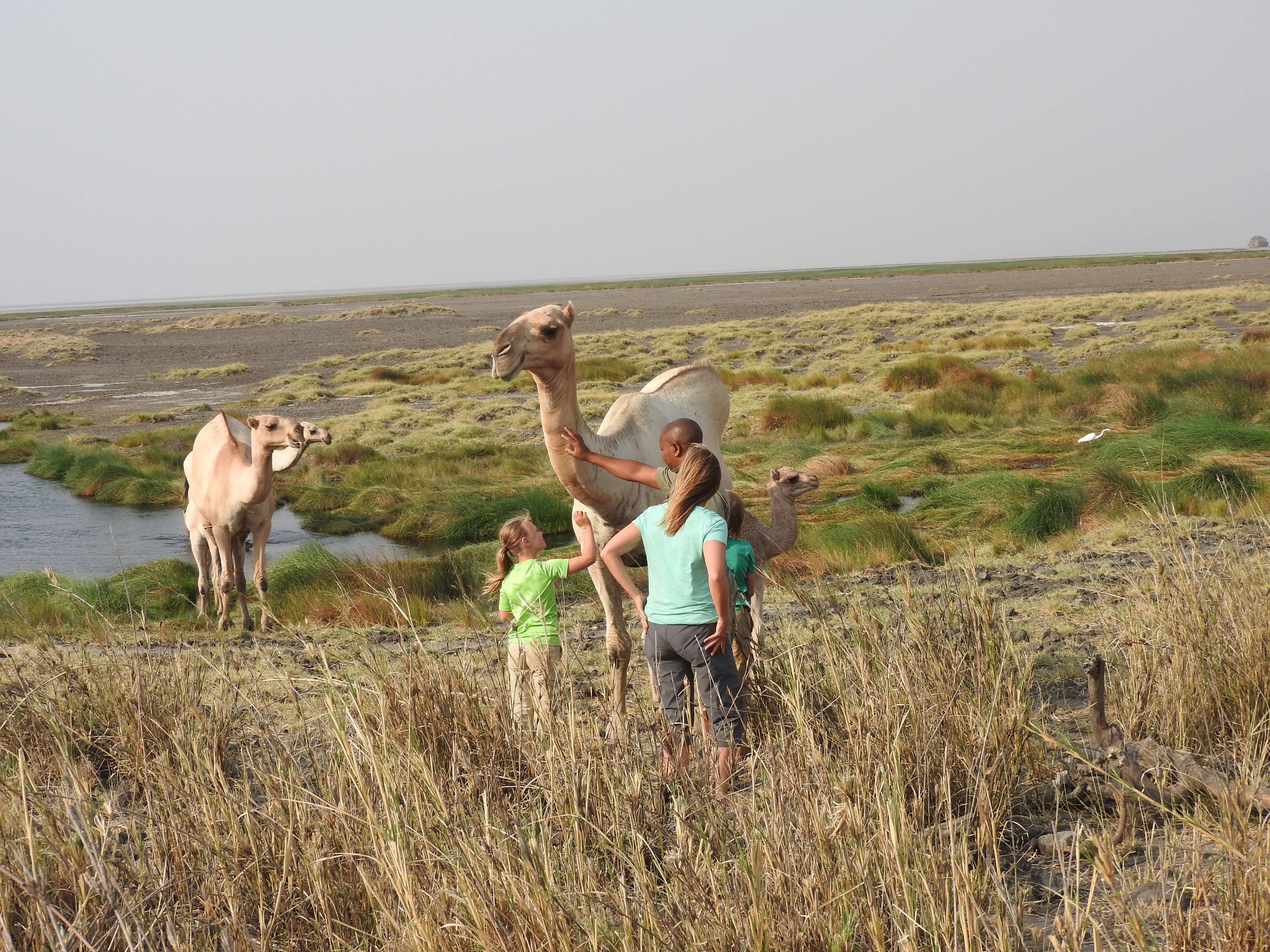
In the evening Doudi led us on a walk to lake Natron. We took off our shoes repeatedly to cross streams leading to the salt lake. We walked across the salt crusted cracked mud to the lake’s edge where flocks of both greater and lesser flamingo fled our presence. The sun set into the dusty air and we headed back for dinner at the camp.


All night long the wind blew rattling the tent whipping ropes and strings.
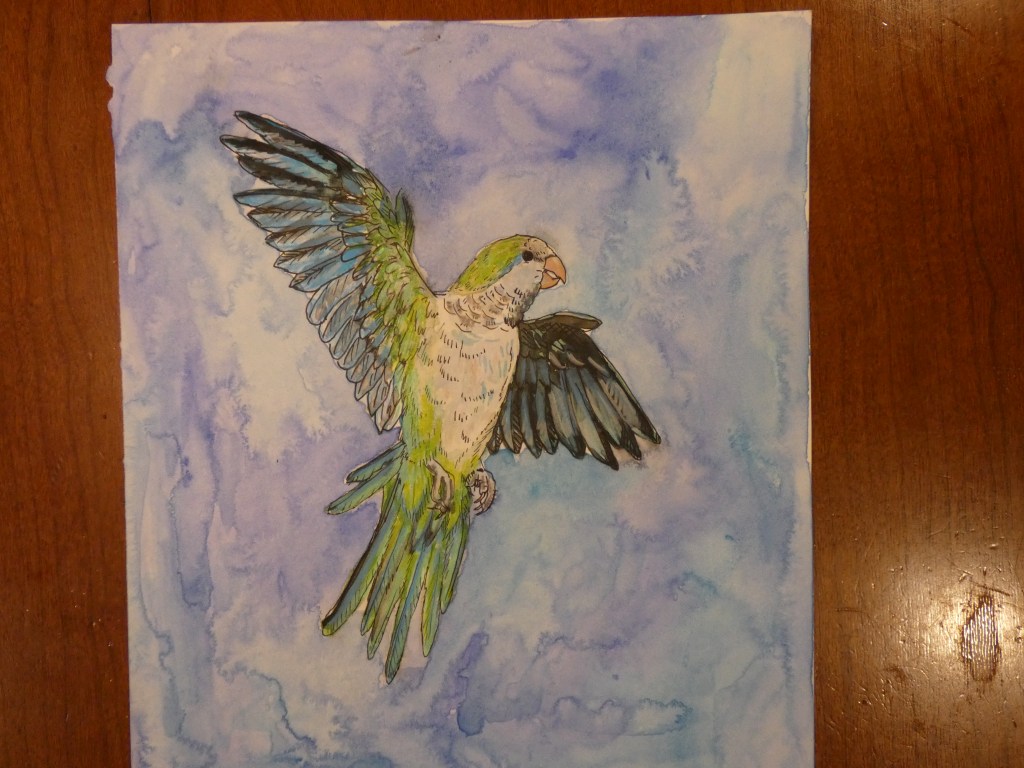
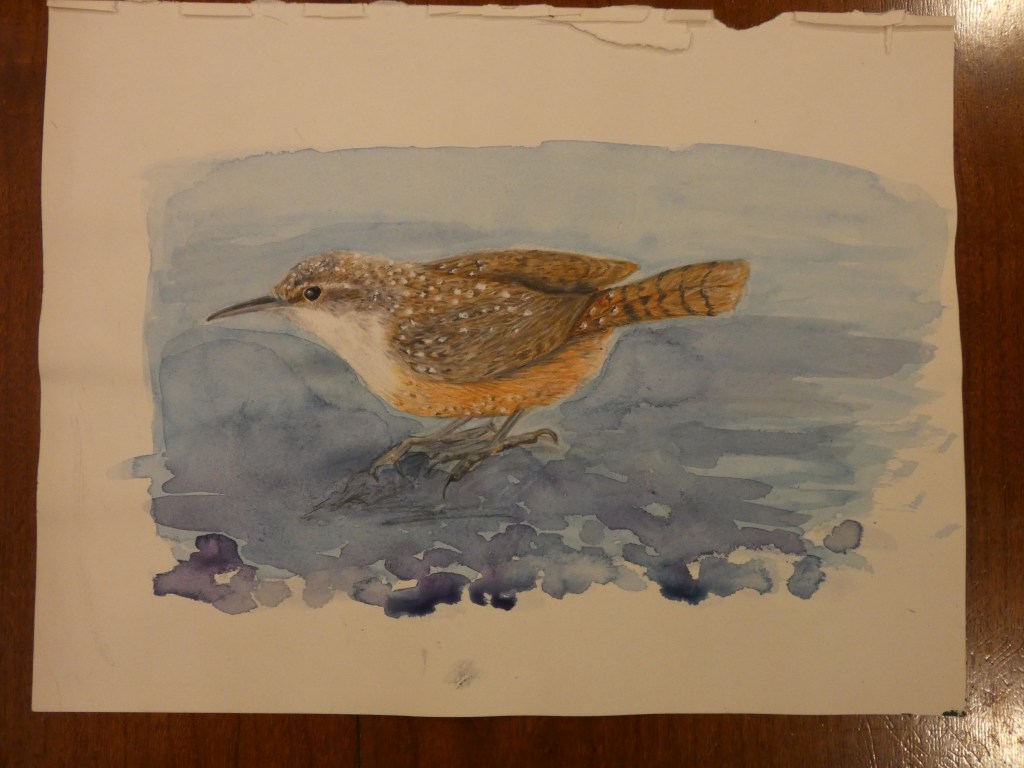
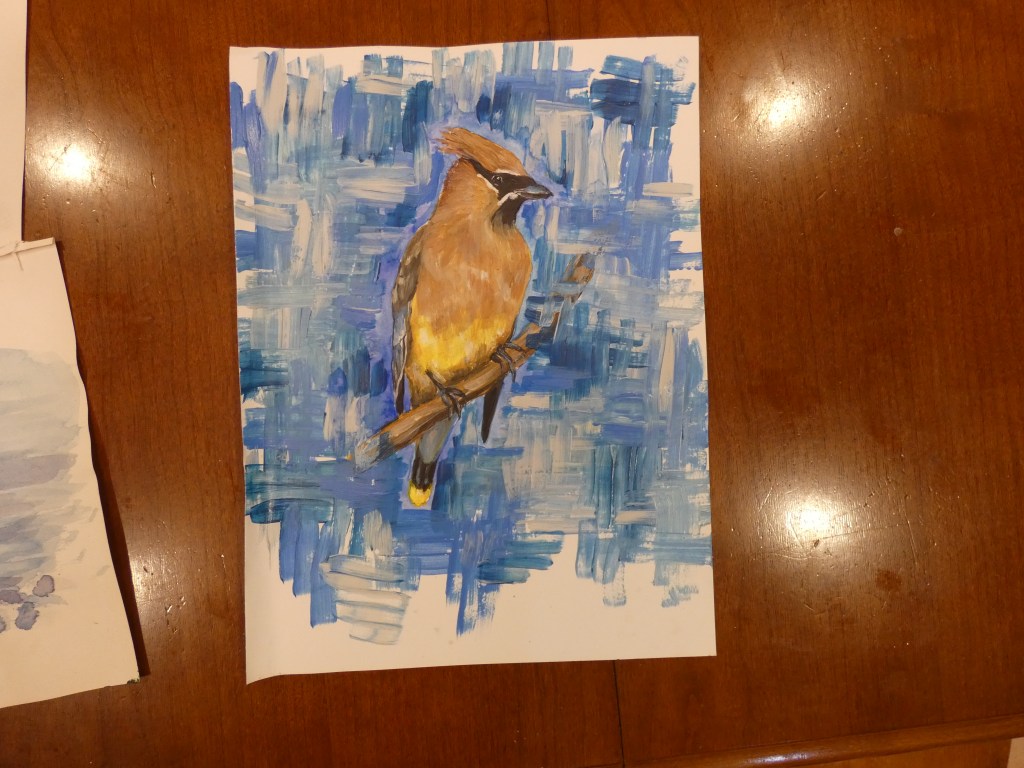
See Ruby’s Google doc! Tanzania Birds
Monday, August 1st:
River and I had another short birdwatching with Reuben. Then we had a lot of down time around the lodge after breakfast and before lunch. We said our goodbyes to Jores and Valerio and the dogs and drove with Godlisten to the gate to Ngorongoro where we waited for half an hour while paperwork was done.
We continued our drive to the crater rim. In places the rim was very narrow with steep drops on either side of the road. We stopped at a viewpoint and took a look into the dusty larger crater. Even from this distance we could see herds of animals appearing as many black dots.
We continued on to our tented camp on the rim. As we were settling in a hugh mass of ants erupted in front of the girl’s tent. Before I knew it I was being bitten by scores of ants that had gotten under my clothes. Running to the bathroom for privacy, I pulled off tens of ants many hanging on to me with locked pincers! The staff sprayed the ants and move the girl’s to a new tent.
In the evening we had a hike along the crater rim with a ranger named God, short for Godwin. The trail left the road and climbed around the rim under and intermittent canopy of trees. There were spectacular views into the crater. The dust had largely settled and there were few cars in the crater in the evening. A spectacular salt lake shown white on the crater floor. Vultures circled below us slowly rising to our height.
Toward the end of the hike we crossed paths with Maasai herders and cattle who live in the conservation area in harmony with the wildlife. A young Maasai boy told the ranger of giraffe nearby. We bush wacked after the boy for a ways before giving up and returning to the trail. Leaving the view for the road we passed a group of Maasai women heavily loaded with firewood and then a Maasai boma. Children ran around following us and a little goat bleated at us incessantly.
Godlisten met us at the road and drove us back to our camp. Along the way we saw a huge herd of giraffe.
Tuesday, August 2nd:
We left Pakulala camp early with a packed breakfast and lunch. It was very cold and we wore every layer of clothes we had. We drove down into the crater immediately encountering a lone bull elephant sauntering across the road. We drove in two loops around the crater.
We saw a ton of animals. Lions walking right past our car, elephants in the forest, hippos in the pools, flamingos around the salt lake and even a rhino (from afar) grazing with the zebra. The crowned cranes were spectacular.
Friday, July 29th:
After breakfast on the riverbed we drove to lake Manyara with Godlisten and a park ranger. We enjoyed a short walk along the lakeshore. There were tons of greater and lesser flamingos just offshore walking and feeding in synchronicity. Farther away were herds of wildebeest and zebra.
After packing up and leaving the fabulous Wayo Lake Manyara camp we drove back across the park spotting a long crested eagle, elephants and more. Godlisten left us with the car in the parking lot while he completed paperwork necessary when leaving the park. It was hot and sunny, so we opened the doors to cool down. I bought some snacks and the girls were munching on popcorn. We had internet access in the car so everyone was heads down on their electronic devices. Suddenly I hear Ruby whimper, “Uhh uhh”. I look up and a large blue monkey is sitting next to her in her seat reaching for the popcorn. Carrie screamed and Joe calmly rose to push the monkey out with an outstretched hand. Luckily the monkey harmlessly left the car and disappeared in the bushes.
Back in Mto Wa Mbu we ate lunch at a place in the banana fields. It was a total tourist trap, but still nice. We walked a short way under a canopy of bananas, sometimes growing over neat garden beds, criss-crossed with irrigation canals. We entered a clearing with outdoor tables and a little gift shop. A band dressed in over the top tribal african outfits began to play a xylophone and drums. There was a buffet of traditional Tanzanian food. Three women dancers performed followed by three male acrobats who were very impressive.
After the show we continued on to the Rhotia Valley lodge following a dirt road up an rural valley from the main road. Upon arrival we met the hosts and the three Rhodesian Ridgeback dogs: James, mama and puppy and Jane was immediately in love. Ruby spotted sunbirds by the pool, so we felt we’d likely like the place. Our tented rooms were on platforms cantilevered over the valley slope.
While Joe, Carrie and Ruby enjoyed the pool, Jane and I enjoyed a quick tour with the dogs and Valerio the Italian camp manager. We crossed the pasture to the next hill where the Children’s home for orphans is located. We got a peek into the onsite school and a brief tour of the cow shed, gardens and bakery.
Saturday, July 30th:
After breakfast, the hotel guide Marcel took us on a walk across the valley. The people here are Iraqw. The hilly farm fields are full of wheat, maize, and pigeon pea which is a cash crop that is exported to India. Homes are arranged around a packed dirt courtyard with several buildings, mostly wattle and daub, but some are brick and rarely concrete. It was the time of the maize harvest and most courtyards had pile of corn on the cob, or kernals spread out to dry.
There was a funeral in progress with recorded christian hymns playing loudly across the valley. A prominent woman believed to be 106 had just died. When parents die they are buried in front of the home and children are buried in back. Graves may be a simple pile of rocks while wealthier families have a concrete and tile grave.
As a cultural tour we were invited into a humble home to help make ugali and taste the “gin” they distill. We were surrounded with small dirty children who held our hands. Our hosts were a man and a woman and two wattle and daub buildings separated by a courtyard with corn kernels drying. We were invited into the kitchen building to see the still where the “gin” is made and to make ugali. There was a large sick cow lying in the room that we tried not to step on. She brought water to boil on a wood fire hearth of three rocks. Carrie, Ruby, Jane and I took turns sprinkling in the ground corn flour and stirring the pot continuously. Eventually the ugali thickened. Next we cooked some pumpkin leaves in salty water.
After eating the ugali and greens, we said goodbye and continued on small roads walking for another half hour until we reached the Coffee Corner, also owned by the lodge. We had a nice lunch there and Godlisten met us and drove us back to the lodge.
In the afternoon Carrie and I did some bucket laundry at the Children’s home. The girls swam in the pool and went exploring around the lodge.
In the evening the owner, Jores from the Netherlands, gave us a tour of the Children’s home that is financially supported by the lodge. 36 orphaned children live in girls and boys bunkhouses each with two “mamas” and go to the onsite primary school. The neat brick buildings are arranged in a circle around a courtyard with playground equipment. European volunteers help out at the school. All the orphans are from the neighboring village and there is an extensive process to ensure they are truly orphans.
Below is a larger garden and cow shack. Downhill from there is a bakery that supplies the lodge, staff, children’s home and sells bread in the market. There is an elaborate system of cisterns, rainwater collection and water reuse. Also biogas is harvested from the human and cow poop to fuel the kitchen and reduce firewood usage. Jores and his partner Marisa beam as they share what they have accomplished and their next set of plans.
We ended the day with dinner, putting the girls to bed, and a nightcap by the fire.
Sunday, July 31st:
After breakfast Ruby and I went on a bird watching walk near the lodge with Reuben the lodge’s bird enthusiast. We enjoyed the walk and identified some birds, my favorite being the African Hoopoe. Afterwards the lodge set our lunch up under a tree on the hill.
After lunch Godlisten drove us down to the Sunday Rhotia market on the main road. Many stalls were laid out on the ground surrounded on one side by a dozen tarp tents selling banana beer and other refreshments. Beyond the market was a soccer game with uniformed teams. As soon as we parked a drunk young man came over dancing and singing “waka waka hey hey” and touching the girls’ and Carrie’s hair. Godlisten helped us escape.
We did some shopping buying tire flip flops and underwear for Ruby, two kitangas for Carrie, and sugarcane. Then we drank some banana beer which had a vinegar flavor and sludgy bottom. We played a ring toss game and watched the soccer match for bit. Then we headed back giving a lift to two of the Rhotia valley volunteers.
In the evening Jane, Ruby and I went to the cow shed of the Children’s home to have a try at milking the cows. When we arrived there was only the little calf, the cows were still out grazing. The shepherds arrived with the cows and put the bulls and cows in separate sheds. One by one the four milking cows were brought into the milking shed. Their back legs and tail are tied down and two mamas from the children’s home milked the cow while the cow eats and drinks. Each of us had a try at milking which is harder than expected. Jane in particular enjoyed it and was the most successful. The mamas were very gracious welcoming our interruption of their routine. Milk for the calf was put in a bucket with a big nipple attached which she drank greedily. A cat came in and was given a bowl of milk as well.
We enjoyed another large delicious dinner. Ruby chose beans and ugali for the second night in a row for her vegetarian option.
 Family Adventures